
Best-Paying Jobs in Europe for Nepali Workers in 2026
Real 2026 salary ranges for Nepali workers in Polish warehouses, Czech factories, German trades and Greek hospitality jobs, ranked by net savings potential.

If you've spent any time in a Kathmandu manpower office or scrolling Facebook job groups, you've seen the numbers: some agent promising PLN 6,000 in Poland, another quoting EUR 1,400 for "hotel work" in Greece, a cousin's friend who came back from Germany talking about euros like they grow on trees. The truth is more useful than any of those headline figures. Some of the highest gross salaries in Europe end up saving you less than a mid-range job in a cheaper country, once rent, food and daily costs are subtracted. This guide ranks the actual jobs Nepali workers get hired into across Europe, in local currency and in approximate NPR, and tells you honestly which ones put more money in your pocket at the end of the month.
All NPR figures below use these approximate, fluctuating conversion rates: 1 PLN ≈ NPR 34, 1 CZK ≈ NPR 6, 1 EUR ≈ NPR 148. Exchange rates move week to week, so treat every NPR figure here as a rough guide, not a promise.
How we're ranking these
Gross salary alone is a poor way to compare a job in Prague to one in Athens. Central European cities like Warsaw, Wroclaw, Brno and Ostrava have rents, groceries and transport that run noticeably cheaper than Munich, Athens or Valletta. A warehouse job paying PLN 4,800 a month in a Polish town where shared accommodation costs PLN 500–700 can leave a worker with more spare cash than a job paying EUR 1,300 a month in Greece, where rent alone might eat EUR 400–500 in season. So instead of just listing gross pay, we've ranked these roles by realistic monthly savings: what's left after rent, food and basic costs, assuming shared accommodation and a frugal lifestyle.
Roughly, from strongest net savings to weakest:
- Skilled trades (welding, electrical) in Czech Republic and Poland
- Factory and assembly work in Czech Republic and Slovakia
- Warehouse and logistics work in Poland and Czech Republic
- Construction in Poland, Czech Republic and Germany (posted-worker contracts)
- Hospitality and seasonal tourism work in Greece, Malta and Croatia
Here's the detail behind each one.
Warehouse and logistics: Poland and Czech Republic
This is the entry point for most first-time Nepali migrants to Europe, and for good reason: demand is constant, training requirements are low, and recruitment volumes are high.
- Poland: typical picker/packer and forklift roles pay PLN 4,300–5,600/month gross, which works out to roughly NPR 146,000–190,000. Larger e-commerce fulfilment centres near Warsaw and Wroclaw sometimes push above this range for night shifts.
- Czech Republic: comparable warehouse roles around Prague, Brno and Ostrava pay CZK 28,000–36,000/month, or approximately NPR 168,000–216,000.
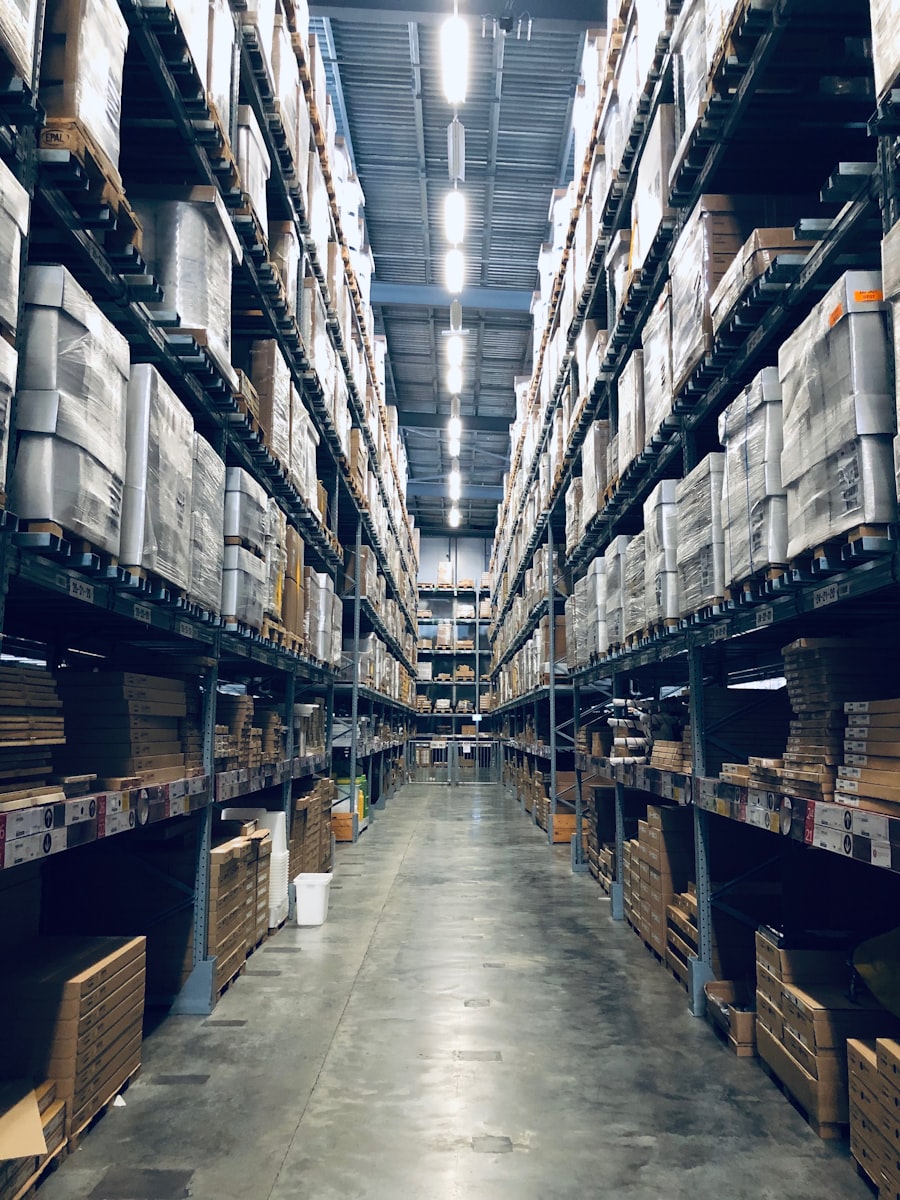
The appeal here isn't the headline number, it's how far it stretches. Shared apartments in mid-size Polish and Czech cities run PLN 500–800 or CZK 3,500–5,000 per person per month, and groceries for one person rarely exceed PLN 700 or CZK 4,500. After rent, food and transport, most warehouse workers we place in these two countries realistically bank NPR 90,000–130,000 a month. Over a 24-month contract, that's a meaningful lump sum to bring home, and the job itself involves no language barrier worth worrying about (see the FAQ below).
Factory and assembly: Poland, Czech Republic, Slovakia
Automotive parts plants, food processing lines and electronics assembly are the next tier up in both pay and physical demand.
- Poland: PLN 4,500–5,800/month, roughly NPR 153,000–197,000.
- Czech Republic: CZK 30,000–38,000/month, roughly NPR 180,000–228,000.
- Slovakia: paid in euros, typically EUR 1,000–1,300/month, roughly NPR 148,000–192,000.
Slovakia's cost of living sits close to Czech and Polish levels, so the euro-denominated salary translates into similar net savings, sometimes slightly better because Slovak factory contracts often include a canteen allowance or subsidised meals. Shift differentials for night and weekend work can add another 15–20% to base pay across all three countries, which matters because most factory rosters run continuous shifts.
Construction: Poland, Czech Republic, and Germany via posted-worker arrangements
Construction pay looks the most attractive on paper, especially in Germany, but it needs the most careful reading.
- Poland: PLN 5,000–6,500/month, roughly NPR 170,000–221,000.
- Czech Republic: CZK 32,000–42,000/month, roughly NPR 192,000–252,000.
- Germany (posted-worker contracts): workers employed by a Polish or Czech construction firm but posted to a German job site typically earn EUR 1,800–2,400/month, roughly NPR 266,000–355,000, well above what a directly-hired Polish or Czech contract pays.
That German number is real, but Munich, Stuttgart and Frankfurt rents can run EUR 500–700 for a shared room, and daily costs are noticeably higher than Warsaw or Brno. Net savings on a posted-worker German contract usually land between what a straight Polish job and a straight Czech job would leave you with, not dramatically higher despite the bigger gross number. Still worth it for the experience and EU work history, but don't expect the payslip to translate one-to-one into extra savings.
Skilled trades: welding and electrical work
If you already hold a CTEVT welding or electrical certificate, or you're willing to get one before applying, this category consistently produces the best combination of pay and cost of living.
- Germany: certified welders and electricians on direct contracts earn EUR 2,200–3,000/month, roughly NPR 325,000–444,000, the highest gross figure in this whole guide.
- Poland: PLN 6,000–8,500/month, roughly NPR 204,000–289,000.
- Czech Republic: CZK 38,000–50,000/month, roughly NPR 228,000–300,000.
Because skilled-trade pay clears living costs by such a wide margin even in Germany, this is the one category where the highest gross salary and the highest net savings genuinely line up. Czech and Polish skilled-trade jobs, sitting on top of the region's lower cost base, frequently out-save even the German number once accommodation and food are subtracted, which is why they top our overall ranking.
Hospitality and seasonal tourism: Greece, Malta, Croatia
This is where "best-paying" and "best-saving" pull furthest apart, and where a lot of first-time applicants get the wrong impression from job ads.
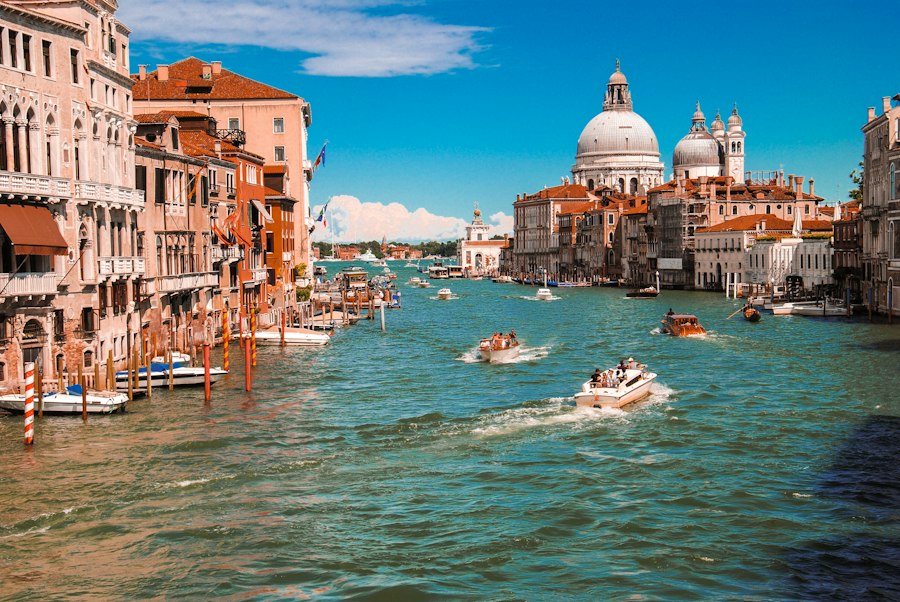
Southern Europe's tourism industry, from Greek island resorts to Maltese hotels to the Croatian coast, hires heavily for kitchen, housekeeping, front-desk and food-service roles.
- Greece: EUR 900–1,300/month, roughly NPR 133,000–192,000, often for a 6–8 month seasonal contract rather than year-round work. Many resort jobs include staff accommodation and meals, which helps offset the shorter season.
- Malta: EUR 1,000–1,400/month, roughly NPR 148,000–207,000, generally more stable, closer to year-round hospitality demand than the Greek islands.
- Croatia: EUR 850–1,200/month, roughly NPR 125,000–177,000, mostly seasonal along the Dalmatian coast.
On paper Malta and Greece can look competitive with Central European factory jobs. In practice, southern European cost of living, plus contracts that run six to eight months instead of twelve, mean total annual savings usually come in lower than a full-year Polish or Czech placement. Staff accommodation included by the employer narrows the gap considerably, so always ask a recruiter whether housing and meals are covered before comparing a euro figure directly against a Polish or Czech one.
Salary comparison at a glance
| Job category | Country | Monthly range (local currency) | Approx. NPR | Typical net savings/month |
|---|---|---|---|---|
| Skilled trades | Czech Republic | CZK 38,000–50,000 | NPR 228,000–300,000 | NPR 150,000–190,000 |
| Skilled trades | Germany | EUR 2,200–3,000 | NPR 325,000–444,000 | NPR 140,000–180,000 |
| Factory/assembly | Czech Republic | CZK 30,000–38,000 | NPR 180,000–228,000 | NPR 110,000–140,000 |
| Warehouse/logistics | Czech Republic | CZK 28,000–36,000 | NPR 168,000–216,000 | NPR 95,000–125,000 |
| Warehouse/logistics | Poland | PLN 4,300–5,600 | NPR 146,000–190,000 | NPR 90,000–120,000 |
| Construction | Germany (posted) | EUR 1,800–2,400 | NPR 266,000–355,000 | NPR 100,000–130,000 |
| Hospitality (seasonal) | Malta | EUR 1,000–1,400 | NPR 148,000–207,000 | NPR 70,000–100,000 |
| Hospitality (seasonal) | Greece | EUR 900–1,300 | NPR 133,000–192,000 | NPR 60,000–90,000 |
These savings figures assume shared accommodation, moderate spending and no major medical or family expenses during the contract. Individual results vary with overtime, shift bonuses, employer-provided housing and personal spending habits.
Best-paying isn't always best-saving
Worth saying plainly: a job that pays more per month doesn't automatically put more money in your bank account back home. A Czech welder earning CZK 45,000 and living carefully in Ostrava can out-save a Greek hospitality worker earning the euro equivalent of CZK 60,000 in a tourist town, simply because rent, food and daily costs in Ostrava run at a fraction of what they cost on a Greek island in July. Contract length matters too. Twelve months of steady Czech factory work usually beats eight months of Greek seasonal hospitality, even when the seasonal monthly number looks better, because there are four extra months of earning either way. Ask any recruiter, including us, for the net savings estimate, not just the gross salary, before you sign anything.
How to apply through Glocal Workforce Nepal
We recruit for warehouse, factory, construction and hospitality positions across Poland, Czech Republic, Greece, Malta, Croatia and Germany, with DOFE-licensed processing from Kathmandu. Browse current openings on our jobs page, where you can filter by country and role and see live vacancies rather than recycled listings. If you want to compare take-home pay across countries before you commit to one, our salary calculator converts any offer into an NPR estimate after typical living costs, using the same approach we've used throughout this article.
Wages, cost of living and exchange rates shift regularly. Treat every figure in this guide as a starting point for your own research, and confirm current numbers with your recruiter before making a decision.
Frequently asked questions
Do I need to speak Polish or Czech to get hired for warehouse or factory work? No. Most warehouses and factories in Poland and Czech Republic run multilingual teams with English or simple work-specific instructions used on the floor. Supervisors typically speak enough English to manage foreign staff, and many Nepali workers pick up basic Polish or Czech phrases within a few months just from daily life.
Which pays more, warehouse work in Poland or hospitality work in Greece? Gross pay is often similar or slightly higher in Greece during peak season. Net savings usually favour Poland, because Central European living costs are lower and Polish contracts typically run a full year rather than a six to eight month tourist season.
Is the German posted-worker construction route legal and safe? Yes, when arranged properly. You're employed by a Polish or Czech construction company that has a service contract to complete work in Germany, and EU posted-worker rules require you to be paid at least the German minimum wage for your sector while there. Always confirm the posting arrangement and your employer of record before travelling, and work only through a DOFE-licensed agency.
How long do seasonal hospitality contracts in Greece, Malta and Croatia usually last? Most run 6 to 8 months, roughly April through October, tied to the tourist season. Some hotels in Malta operate closer to year-round and offer longer contracts. Ask specifically about contract length and off-season options before accepting a hospitality offer.
Can I move from a warehouse or factory job into a skilled trade later? Yes, and many workers do. Employers in Poland and Czech Republic often support staff who want to train as welders or electricians while working, and a CTEVT trade certificate earned in Nepal before departure speeds this up considerably. Moving from warehouse to skilled-trade pay can roughly double your monthly savings over a few years.
Frequently asked questions
Do I need to speak Polish or Czech to get hired for warehouse or factory work?+
No. Most warehouses and factories in Poland and Czech Republic run multilingual teams with English or simple work-specific instructions used on the floor. Supervisors typically speak enough English to manage foreign staff, and many Nepali workers pick up basic Polish or Czech phrases within a few months just from daily life.
Which pays more, warehouse work in Poland or hospitality work in Greece?+
Gross pay is often similar or slightly higher in Greece during peak season. Net savings usually favour Poland, because Central European living costs are lower and Polish contracts typically run a full year rather than a six to eight month tourist season.
Is the German posted-worker construction route legal and safe?+
Yes, when arranged properly. You're employed by a Polish or Czech construction company that has a service contract to complete work in Germany, and EU posted-worker rules require you to be paid at least the German minimum wage for your sector while there. Always confirm the posting arrangement and your employer of record before travelling, and work only through a DOFE-licensed agency.
How long do seasonal hospitality contracts in Greece, Malta and Croatia usually last?+
Most run 6 to 8 months, roughly April through October, tied to the tourist season. Some hotels in Malta operate closer to year-round and offer longer contracts. Ask specifically about contract length and off-season options before accepting a hospitality offer.
Can I move from a warehouse or factory job into a skilled trade later?+
Yes, and many workers do. Employers in Poland and Czech Republic often support staff who want to train as welders or electricians while working, and a CTEVT trade certificate earned in Nepal before departure speeds this up considerably. Moving from warehouse to skilled-trade pay can roughly double your monthly savings over a few years.
More on Salary & Finance

Cost of Living in Europe vs Salary: Is It Worth It for Nepali Workers?
Europe's salaries look bigger on paper. Here's what's actually left to remit home once tax, rent and food are subtracted, compared honestly against Gulf pay.

How Much Does It Cost to Go Abroad for Work from Nepal? (2026)
Realistic, destination-specific cost breakdown: service charge, DOFE, medical, insurance, ticket, visa. With itemised tables for Gulf, Europe and East Asia routes.
Ready to take the next step?
Contact our counsellors for a free consultation.